26 Oct 2026
Swiss Digital Platforms Reveal How Encryption Protocols Shape Player Trust During Live Dealer Blackjack Rounds and Slot Sessions with Bonus Triggers
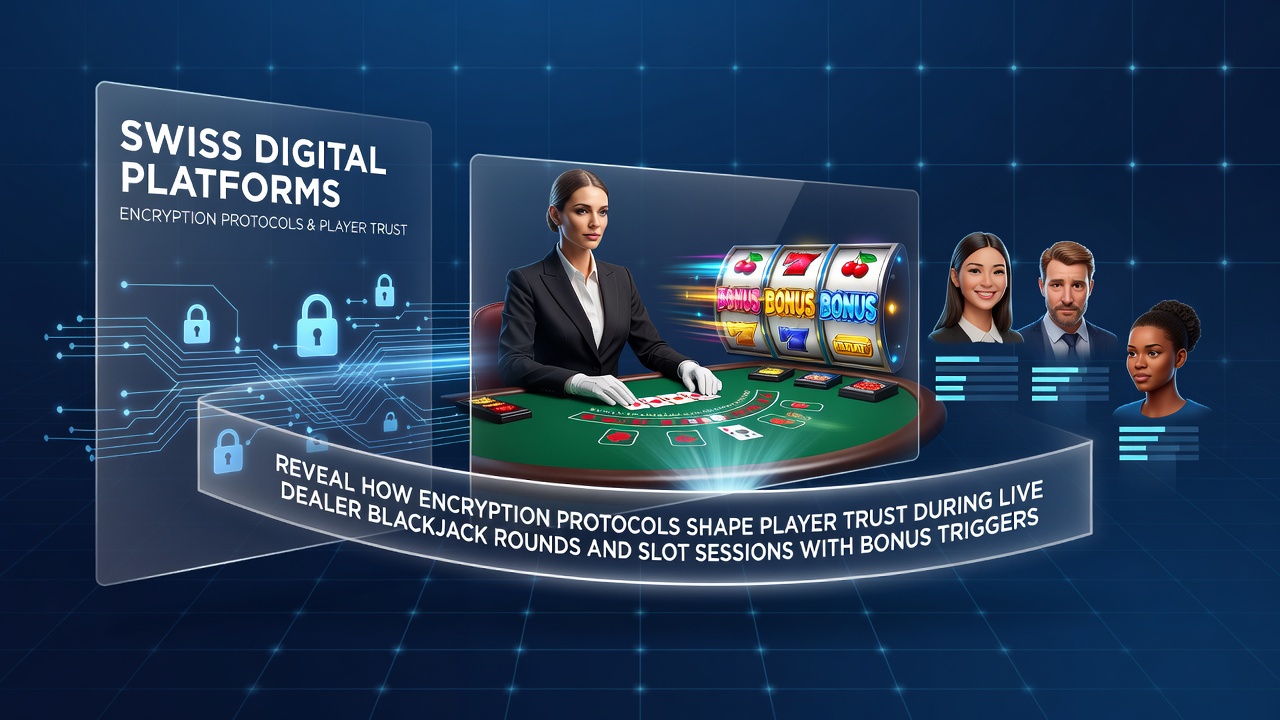
Swiss digital platforms have integrated advanced encryption protocols into their systems, and these measures directly influence how players approach live dealer blackjack rounds along with slot sessions that feature bonus triggers, according to industry reports from October 2026. Data from regulatory filings show that platforms licensed under Swiss federal guidelines rely on TLS 1.3 combined with AES-256 standards to secure video streams, random number generators, and financial transactions during gameplay. Observers note that such technical foundations help maintain continuous connections without exposing player data to interception, which in turn supports sustained engagement across multiple sessions.
Encryption Standards in Swiss Online Gaming Infrastructure
Researchers at institutions focused on cybersecurity have documented the adoption of end-to-end encryption across Swiss platforms, where each live dealer blackjack round transmits card data and dealer actions through encrypted channels that update in real time. Slot sessions incorporate similar protections around bonus trigger mechanisms, ensuring that random outcomes and payout calculations remain protected from external interference while players interact with spinning reels or progressive features. Figures from the Swiss Federal Office of Communications indicate that compliance with these protocols has increased by measurable margins since 2024, as operators update their systems to meet evolving data protection requirements.
Platforms also apply hashing functions to verify game integrity after each round or spin, and this process allows independent audits to confirm that bonus triggers activate according to certified algorithms rather than manipulated sequences. Those who study digital security in gambling note that the combination of symmetric and asymmetric encryption creates layered defenses, protecting both the immediate transaction and the longer-term storage of account details. As a result, players receive visual indicators such as padlock icons or security badges that signal active encryption during play.
Live Dealer Blackjack and Real-Time Security Measures
Live dealer blackjack sessions on Swiss platforms stream video feeds protected by the same encryption layers that safeguard chat functions and bet placements, while the underlying random number generator for card distribution stays isolated from network vulnerabilities. Data collected through 2026 shows consistent uptime in these encrypted environments, with fewer reported disruptions compared to earlier years when weaker protocols were in use. Industry analyses from sources like the National Institute of Standards and Technology highlight how TLS 1.3 reduces handshake times, which keeps the flow of a blackjack round smooth without compromising security during high-stakes decisions.
Players often check for certificate validation before joining tables, and this habit reflects broader awareness that encryption strength correlates with reduced risk of data exposure across international connections. Swiss operators publish periodic transparency reports that detail encryption updates, allowing users to track how protocols evolve in response to new threat models while bonus features in connected slot games remain unaffected by the same security overhead.

Slot Sessions, Bonus Triggers, and Protocol Integration
Slot sessions equipped with bonus triggers use encryption to secure both the base game RNG and the activation logic for free spins or multipliers, which prevents any external party from predicting or altering outcomes mid-session. Research from European gaming associations reveals that platforms applying these measures experience higher retention rates during extended play periods, because the visible security markers reassure participants that their progress toward bonus rounds stays confidential and intact. The integration occurs seamlessly, with encryption overhead managed through optimized server architecture that Swiss operators have refined over successive licensing cycles.
Case examples from audited platforms illustrate how a single spin can trigger multiple encrypted checks before revealing bonus elements, yet the entire sequence completes within milliseconds to preserve the pace players expect. Those monitoring regulatory compliance observe that Swiss standards require documented proof of encryption strength for every game variant, including slots with layered bonus mechanics, which creates a verifiable chain of custody for each outcome.
Regulatory Context and Trust Metrics in 2026
Swiss federal regulations updated through 2026 mandate regular penetration testing of encryption systems used by licensed platforms, and the results feed into public summaries that detail vulnerability remediation without exposing operational specifics. This framework encourages operators to adopt protocols that exceed baseline requirements, which in practice means support for forward secrecy in every live dealer and slot connection. External audits conducted by independent labs confirm that these steps reduce the attack surface during peak traffic times when multiple blackjack rounds and bonus-triggered spins occur simultaneously.
Trust indicators tracked by analytics firms show correlations between encryption certification displays and session duration, as players tend to remain longer on platforms that provide clear evidence of current security standards. Geographic diversity in regulatory approaches appears in comparisons with bodies such as the Australian Communications and Media Authority, where similar encryption expectations apply to cross-border gaming services.
Conclusion
Encryption protocols on Swiss digital platforms continue to serve as foundational elements that support secure live dealer blackjack rounds and slot sessions featuring bonus triggers, with measurable effects on operational stability and user verification processes. Ongoing updates aligned with federal guidelines ensure that these systems adapt to emerging technical challenges while maintaining the transparency that regulatory filings demand. The documented patterns from 2026 confirm that encryption remains a central component in the technical architecture of Swiss online gaming environments.